What Niche Perfumery Actually Is
The word niche has been so thoroughly borrowed that it now mostly means expensive. Any launch with dark packaging and a four-figure price can claim the term, and many do. But the word originally described something more specific, and the houses it was coined for still exist, still work the same way, and are still recognisable once you know what to look for.
Niche perfumery, in the honest sense, is defined by what a house refuses. It refuses focus groups: the perfume is composed as the perfumer intends, not adjusted toward the preferences of a tested audience. It refuses ubiquity: distribution stays narrow not to manufacture scarcity but because the house wants its work presented by people who can actually speak about it. And it refuses the briefing structure of designer fragrance, where the scent is commissioned to match a brand image that already exists. In a niche house the scent is the brand image. There is nothing upstream of it.
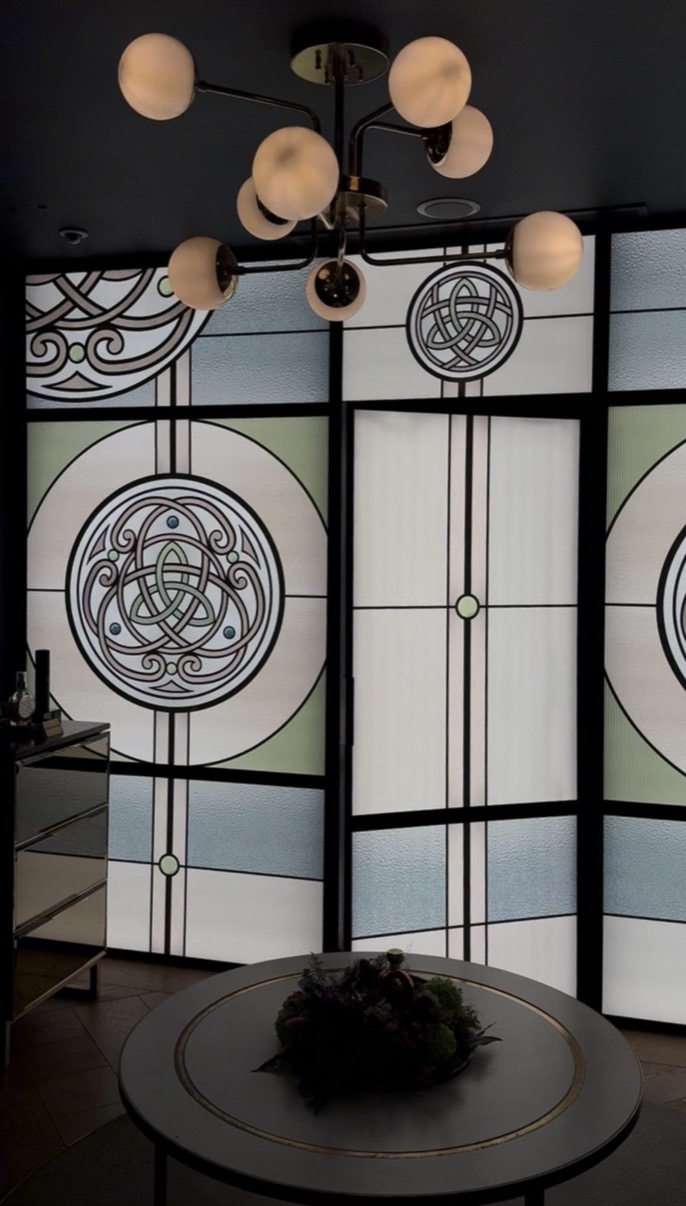
You can read all of this in the rooms. The sixth floor at Harrods gathers these houses into a salon where each maintains its own small architecture, and the difference from the ground-floor fragrance halls is immediate: fewer bottles, more air, staff who describe materials rather than moods. Houses like Nicolaï or Fueguia will tell you which farm a raw material came from. The conversation is closer to wine than to fashion, and the room is built to make that conversation possible.
What the diluted use of the word obscures is that niche was never a tier. It is a relationship: a maker working at the scale where they still decide everything, and a wearer who sought the work out rather than encountering it in an airport. The price follows from the economics of that scale, not the other way round. The test is simple enough. Ask who composed it, and why. A niche house answers in a sentence. A brand answers with a story that was written afterwards.