Scent as Memory
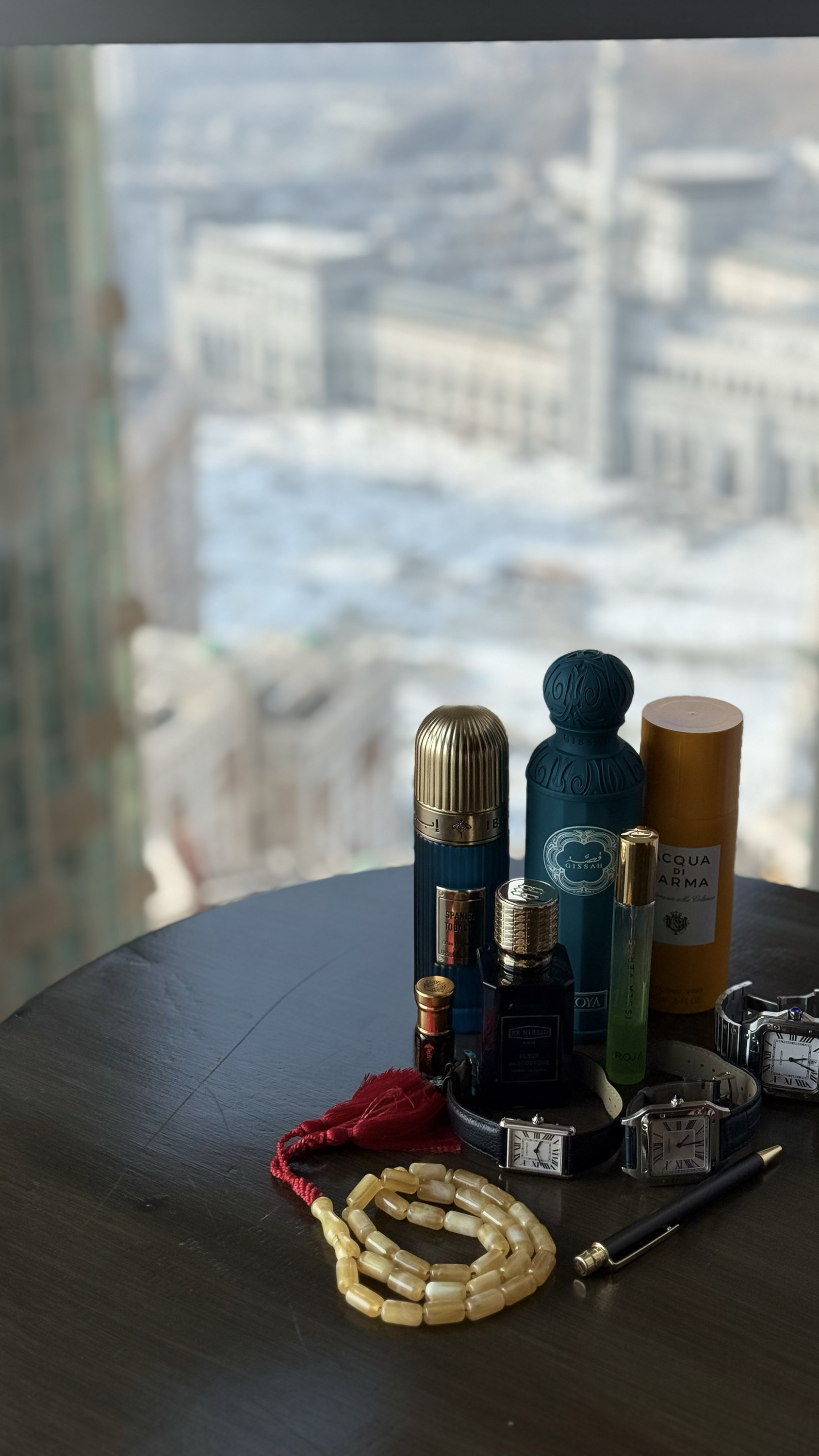
Somewhere in most homes is a bottle that functions as a time machine. An attar bought on pilgrimage. A cologne from a honeymoon. The particular soap of a grandmother’s house, found again by accident decades later, in a shop, with an effect so physical it makes the buyer put out a hand for balance. Nothing else the memory owns works like this.
The neurology is settled: smell is the only sense whose signals reach the memory centres without first passing through the brain’s relay stations. Every other perception is processed, interpreted, filed. Smell arrives unannounced, which is why a scent memory does not feel like remembering. It feels like being returned. The photograph shows you the journey; the oil puts you back inside it, with the temperature and the noise and the version of yourself who was there.
Travellers have always understood this instinctively, which is why the objects that come home from a serious journey are so often scented ones. The pilgrim’s attar, chosen slowly in a Makkah shop with the sanctuary out of focus through the window. The oud bought by weight. The spice folded into a suitcase in Marrakech. These purchases look like souvenirs and function as archives: deliberately recorded memories, stored in a medium more faithful than film, played back by opening a cap.
This studio spends its working life making the other kind of record, and it is worth being honest about the hierarchy. A photograph is the best external memory there is: shareable, printable, durable, true. But it shows the journey from the outside. The scent holds it from within, untransferable, unpublishable, decaying a little with every opening of the bottle, and more vivid than anything a camera has ever kept. The complete archive of a place needs both. One for everyone else. One that works for an audience of exactly one.