The Observer
Six essays on the observer rather than the observed. What familiarity removes from the person who runs a space. What the first ten minutes reveal before editorial instinct closes in. What a guest reads at the threshold that the host no longer sends consciously. What the camera's frame removes from the room it records. Why the edited image is more persuasive than the experience itself. And what the editor owes the reader who will never visit.

What the Owner No Longer Sees
Familiarity is a form of blindness. The person who runs a space has stopped reading it.
Read essay →
The First Ten Minutes
Before editorial instinct takes over, there is a window when a space is simply experienced.
Read essay →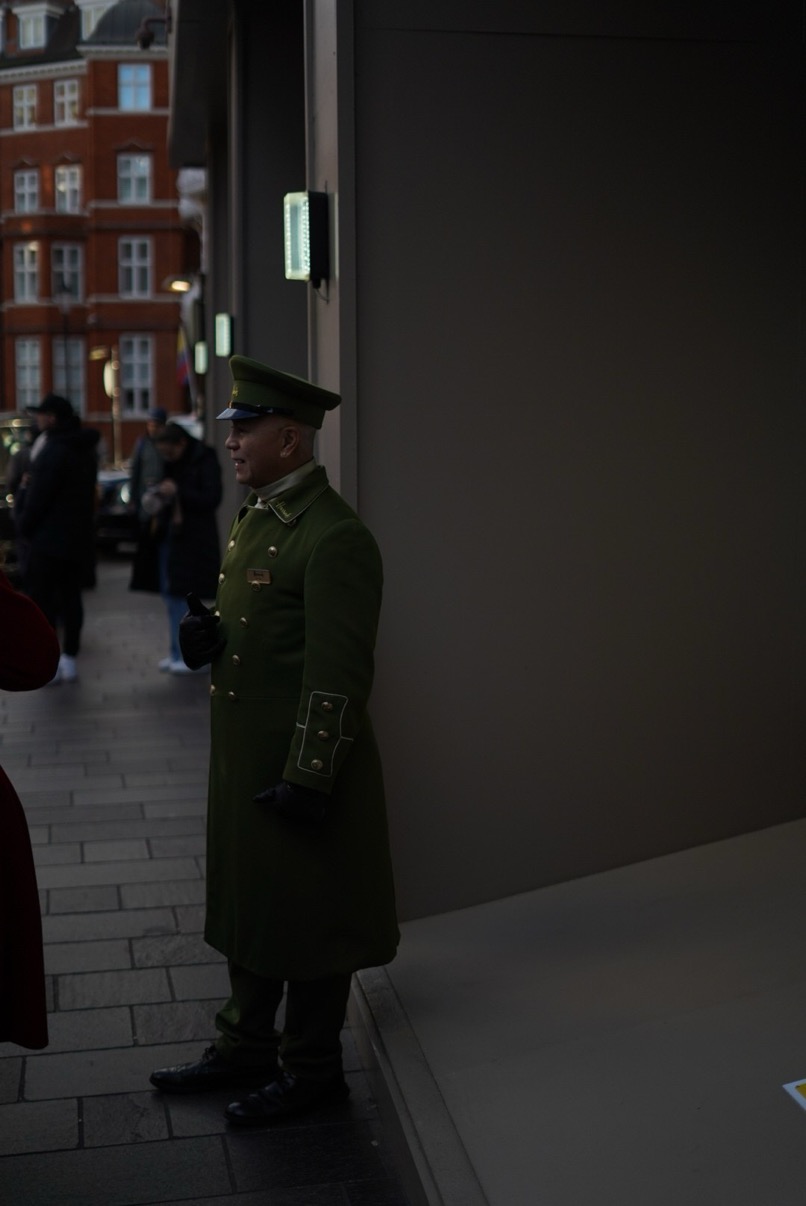
What a Guest Reads That a Host Cannot
A guest arrives and immediately begins reading signals the host stopped sending consciously years ago.
Read essay →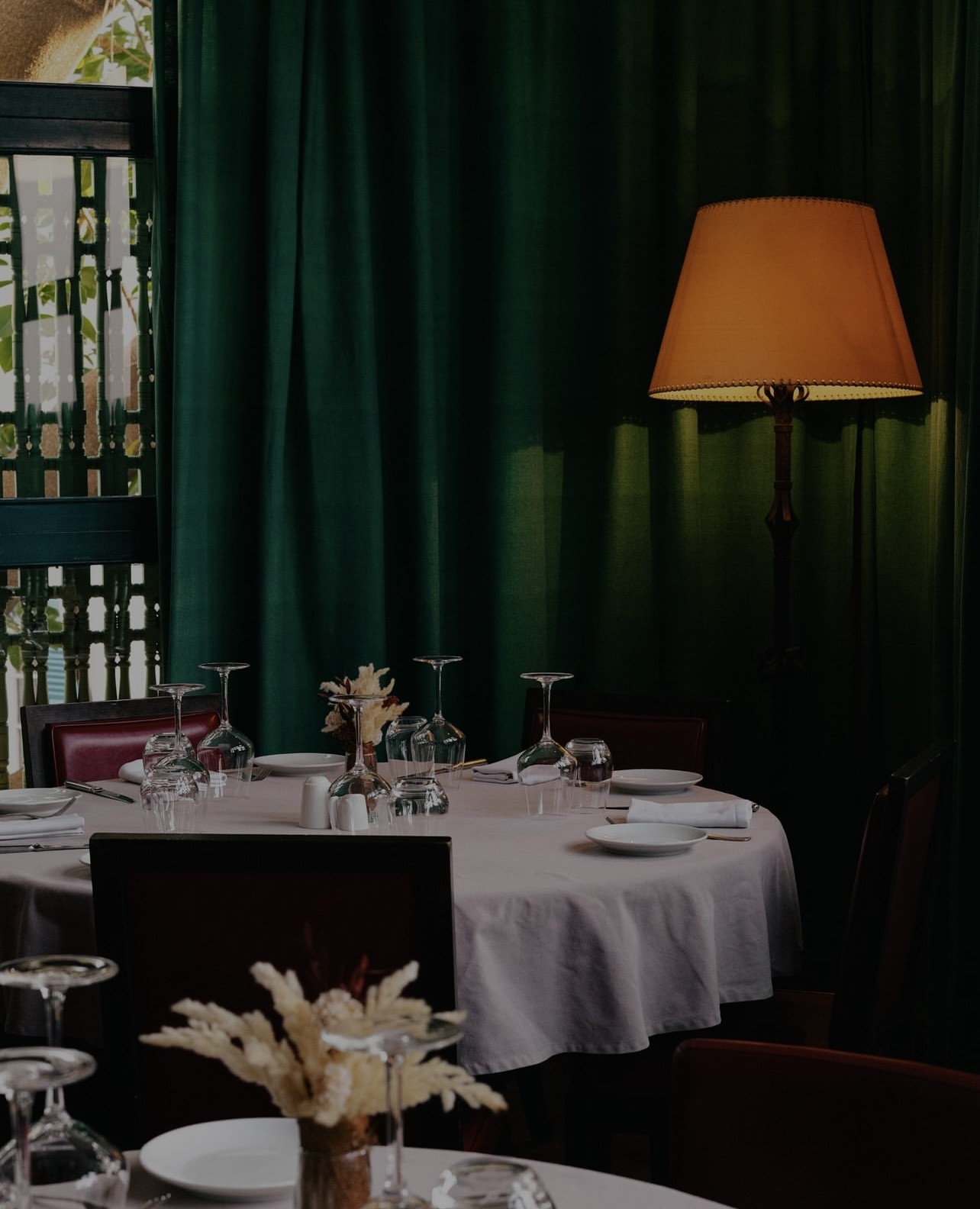
What the Frame Takes Away
A viewfinder removes temperature, smell, peripheral vision, scale and sound. What remains is a rectangle.
Read essay →
More Persuasive Than Being There
The edited image is more persuasive than the experience. This is not a failure of photography.
Read essay →
The Reader Who Was Never There
The last observer forms a complete picture of a place from images alone, and may never visit.
Read essay →