What You Hear While Photographing
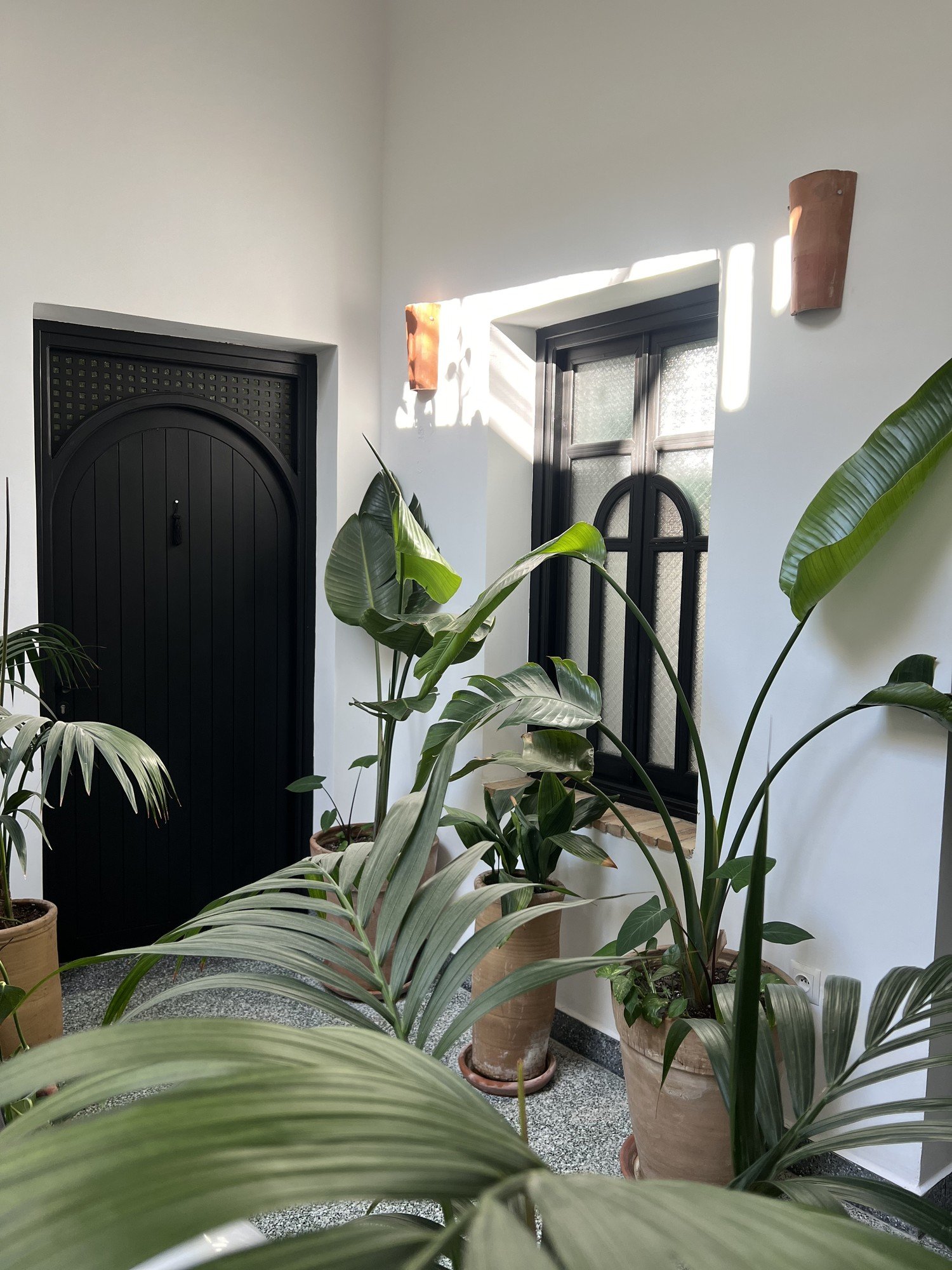
Every photograph in this archive was made inside a sound. The Tangier frames were made inside gull cries and two markets’ worth of negotiation; the Madinah frames inside a hush so complete it had a texture; the café studies inside grinder-and-steam; the Grand Prix work inside a noise that arrives through the chest before the ears. The camera kept the light and discarded the rest. The photographer did not.
Ask anyone who photographs seriously and they will confirm the strange accounting: the sound files itself with the image, in memory, inseparably. Look at a frame from years ago and the audio returns unbidden, the specific afternoon, the specific din. In the private experience of the archive’s maker, every study is a film with the sound intact. The published version is the silent cut, and only one person will ever know the difference.
The sound also shapes the making in ways the viewer cannot reconstruct. Hearing decides where to stand: the quiet corner of a loud souk is found with the ears first. It decides when to press: the lull between announcements, the beat after the espresso machine stops, the moment a room’s hum drops and something like composure becomes photographable. Some of the stillest frames in this archive were possible only because the photographer heard the stillness coming a few seconds before it arrived. The image records the result of listening without recording the listening.
This is the last essay in a volume about sound, and it ends on the medium’s honest limit. Photography is a deaf art made by hearing people, and every archive is quieter than the world it came from. Perhaps that is part of why the photographs ask to be looked at slowly: somewhere behind each one is everything it could not keep, and a viewer who looks long enough starts, faintly, to supply it. The frame is silent. It was never made in silence.