What a Brand’s Archive Is Worth
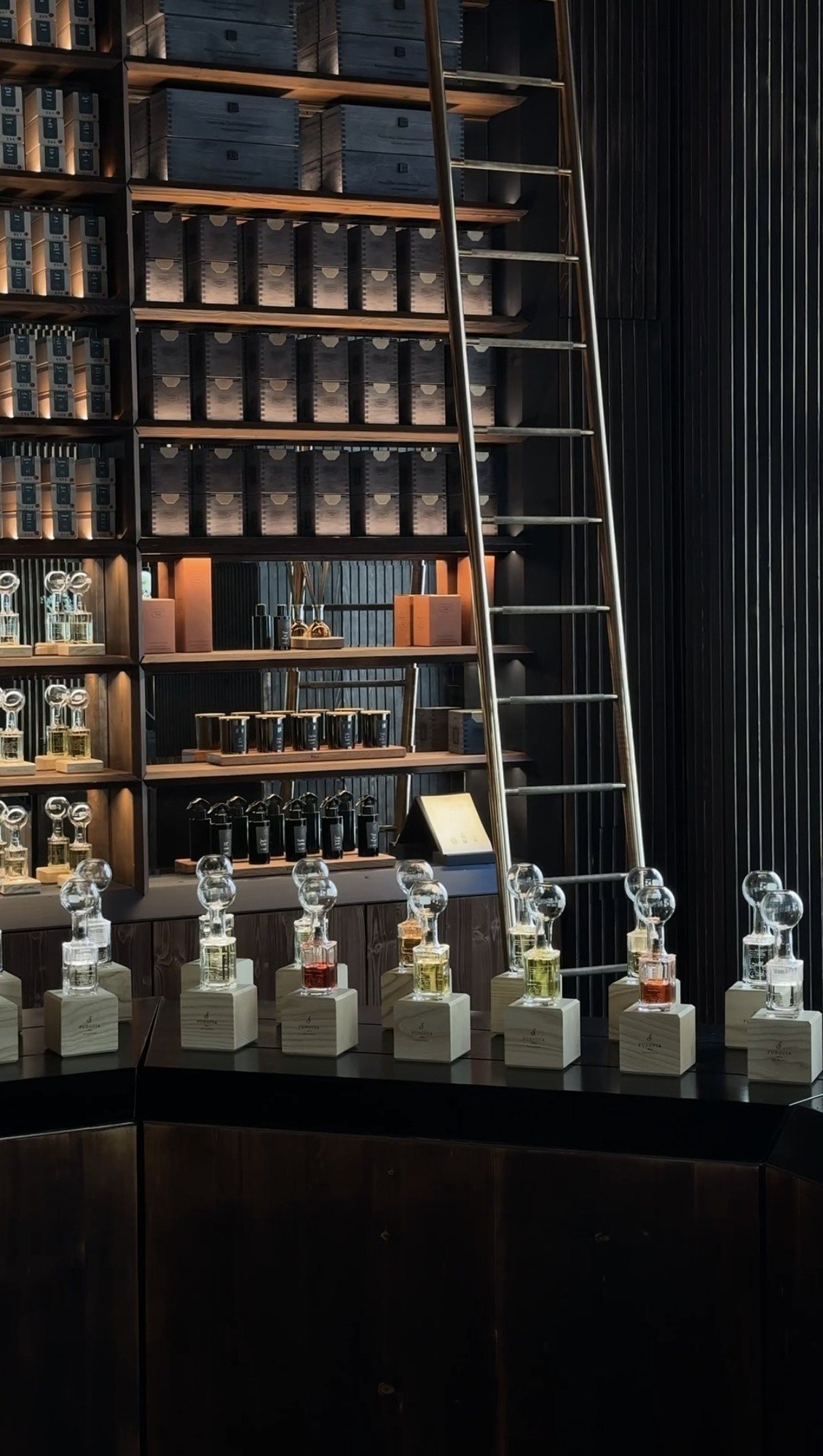
Most brands photograph their spaces reactively. A launch demands images, so images are made. A property goes to market, a renovation is announced, an anniversary approaches, and suddenly there is a scramble for photography, and the photography that exists turns out to be five years old, shot for a different purpose, in a style the brand has since abandoned.
The brands that never have this problem are the ones that treated documentation as a continuous practice rather than an event. Somewhere in their organisation, somebody understood that the physical premises, the rooms, the counters, the shelves, the particular way the afternoon enters the building, are an asset that changes constantly and silently, and that an asset which changes without being recorded is an asset being lost.
The value compounds in ways that are hard to see in advance. The photographs of the original interior become the reference when a second location opens. The record of how the space looked in its first year becomes the exhibition when the brand turns twenty-five. The frames that seemed unremarkable, the stockroom, the staff door, the handwritten shelf labels, become the most requested images in the archive precisely because nobody else thought to make them. A fragrance house in Milan keeps its raw materials in labelled drawers going back decades; the shelves are consulted constantly. A visual archive works the same way. It is a library of what the brand has been, kept by the version of the brand that was wise enough to look.
The worth of an archive, in the end, is measured by a simple test: when the moment comes that demands the photograph, does it exist? Every brand eventually faces that moment. The only variable is whether the record was made before it was needed, because it cannot be made after.