The Sponsor as Host
Somewhere in the afternoon, sponsorship changes state.
Until that point it has been a name: on the boards, on the arch, in the programme. Then a terrace opens, or a marquee, or a table at the edge of the green, and the name becomes a chair pulled out, a glass filled, a plate carried across grass. The partner has stopped advertising and started hosting, and everything about how it will be remembered changes with it.
The difference is in what each activity asks of a person. Advertising asks to be noticed, and people are practised at declining. Hospitality asks to be enjoyed, and hardly anyone declines. A spectator can ignore a board all afternoon. A guest cannot remain an audience; the moment something is accepted, the relationship has a second party. This is why the hospitality terrace, not the perimeter board, is where sponsorship actually earns what it costs.
Hosting is also judged by an older standard, which is the risk of it. Nobody holds a brand to account for the legibility of its logo, but everybody at the table notices generosity, timing and restraint. The wine poured at the right moment is credited the way a friend's hospitality is credited. So is the wine that runs out. The brand has stepped out from behind its name and agreed to be judged as a person is judged.
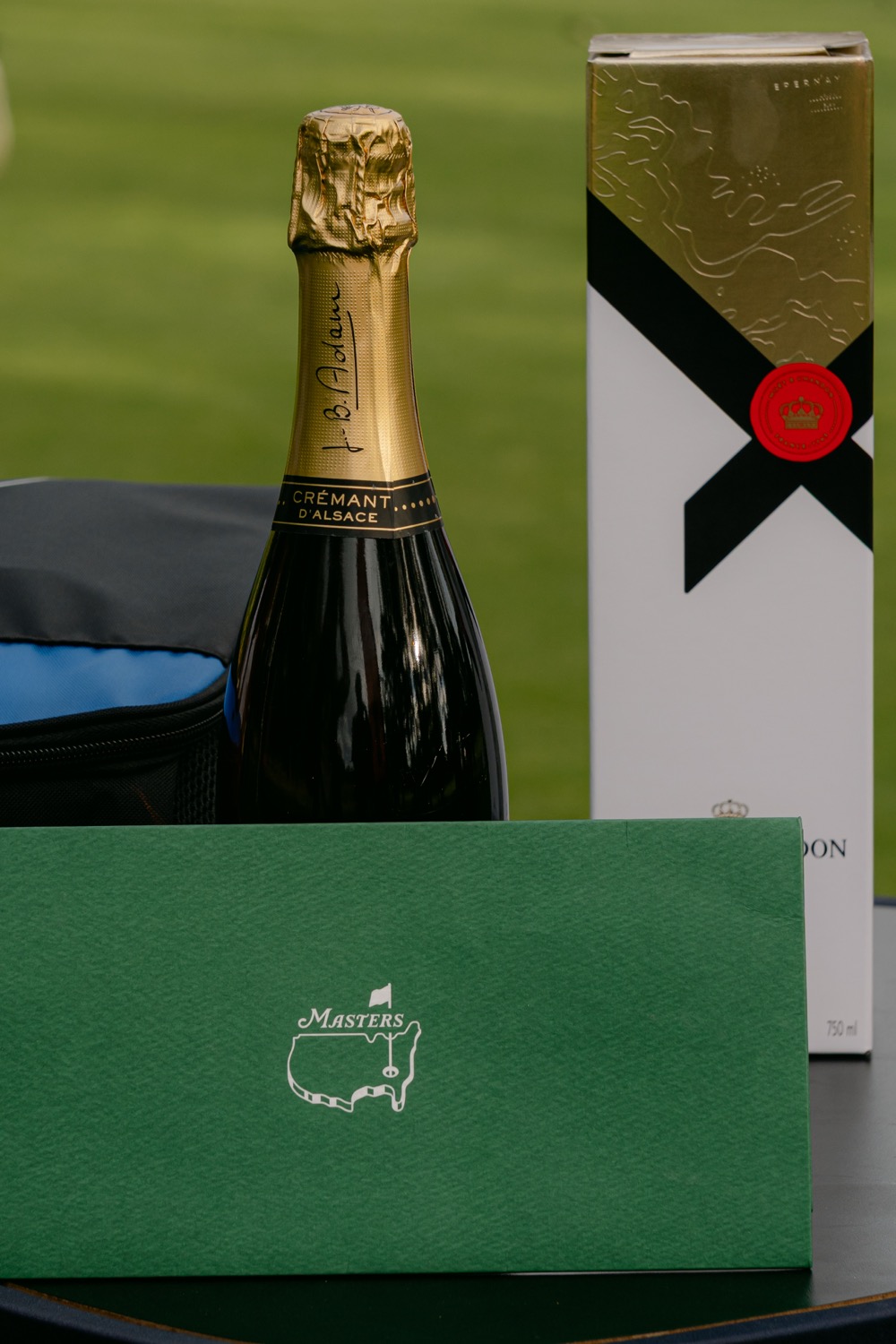
At the end of a golf day in Yorkshire, the winners were handed a bottle and an envelope in Masters green. No board all day said as much about the sponsor as that table did. A name is forgotten with the season.
Being looked after is remembered.