The Regular
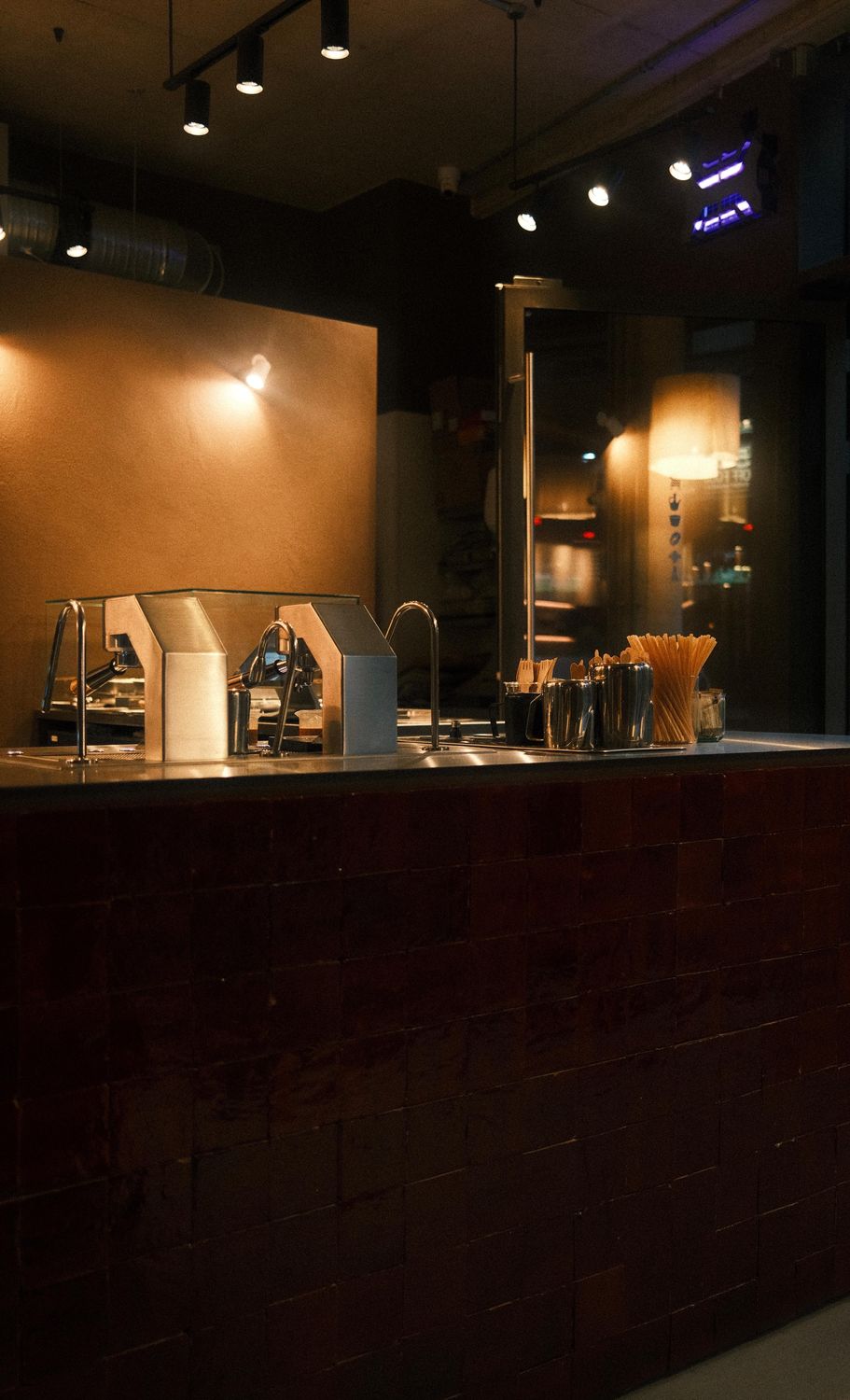
In every café worth studying there is a customer who is not quite a customer any more. Their order starts being made when they are seen crossing the road. Their table is not reserved, exactly, but it is somehow available. They are consulted, informally, when the menu changes. The regular drinks the same coffee as everyone else, at the same prices, in what is functionally a different establishment.
What the regular has purchased, over hundreds of unremarkable visits, is the one thing hospitality cannot sell in a single transaction: being known. The exchange runs in both directions. The place learns the regular’s rhythms, and the regular absorbs the place’s: which barista is new, when the morning rush breaks, what the room feels like in the dead hour after lunch. Each becomes part of the other’s furniture, in the warmest sense of the word.
Businesses talk about loyalty as something engineered with cards and points, ten stamps and the eleventh coffee free. But the loyalty that matters was never transactional, and the regular proves it: they would keep coming if the prices rose, and the stamp card sits forgotten in a coat pocket. What holds them is more like citizenship. Somewhere in the city, there is a room where their arrival is noticed and their absence would be too. Entire neighbourhoods are held together by nothing more structural than this.
For the places themselves, regulars are the most honest metric there is. Campaigns can manufacture a queue; nothing can manufacture the same face on a wet Tuesday in November, year after year. A room that has regulars has passed the only test that compounds. It is also, not coincidentally, what this studio looks for when deciding whether a place deserves a study: not whether it is busy, but whether it is returned to.