The Name at the Edge of the Frame
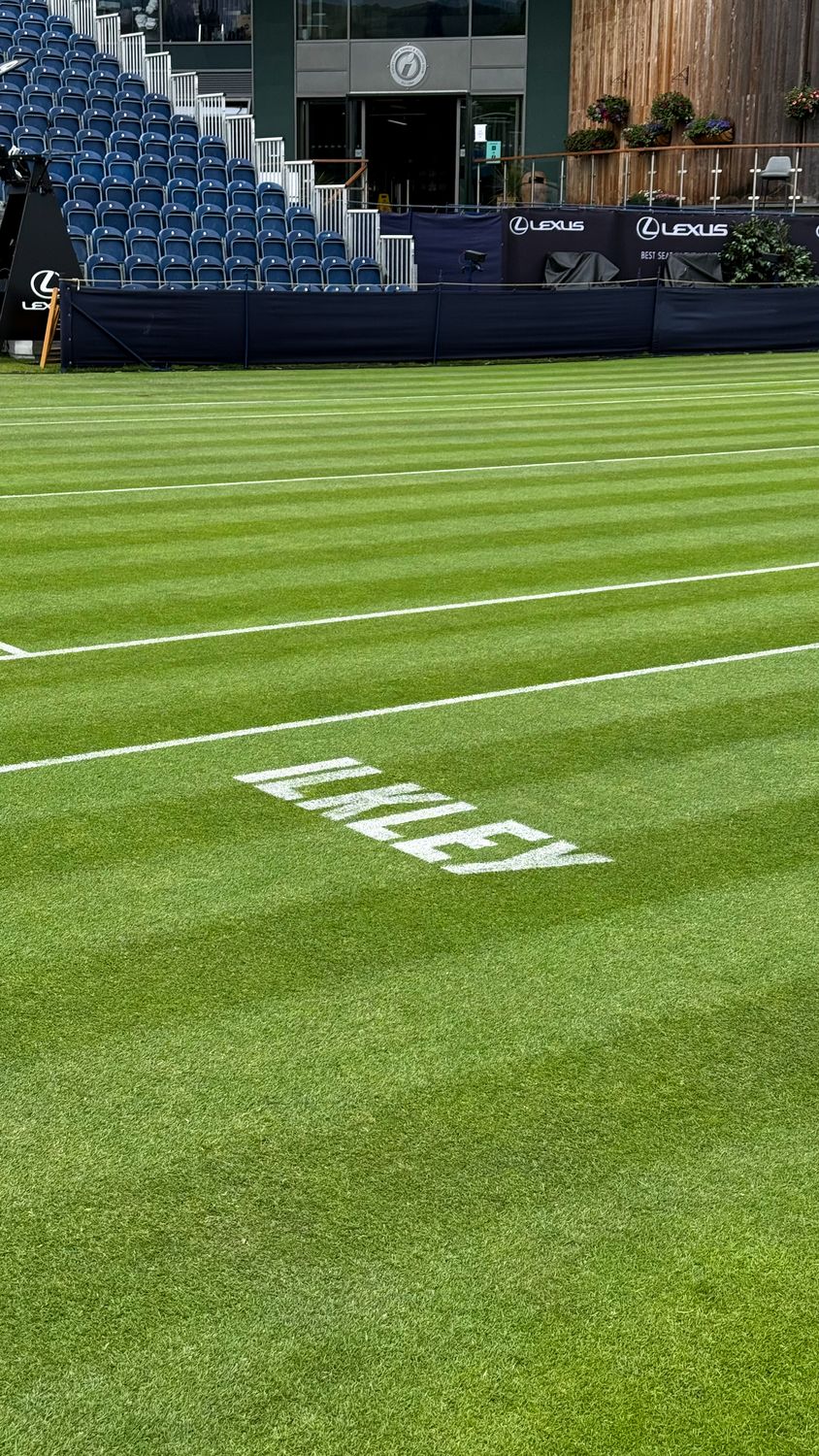
Look through any collection of sporting photographs and the same thing happens at the margins. A name. Part of a name. The corner of a logo on a board, cut by the frame, softened by distance, standing behind the action like weather. The photograph was made about something else entirely, and the name came with the view.
This is not an accident of composition. It is where sponsorship actually lives. The centre of a sporting occasion is defended ground: the court, the fairway, the racing line are kept clear of everything but the game. So the names gather at the edges, on boards and banners and hoardings, at precisely the distance where a photograph stops being about its subject and starts being about its setting. Anyone who photographs the event honestly inherits them.
The instinct, in a certain kind of photography, is to crop. Take the board out and the tennis becomes timeless. But the crop is a small untruth. Nobody who attended saw the court without the names. The spectators spent the afternoon inside that perimeter, and the perimeter was part of what the afternoon looked like. Remove it and you have documented a place that did not exist.
Kept at the edge, the names do something almost dignified. They date the photograph. They place it. They admit, quietly, what the day cost and who helped pay for it. At Ilkley the Lexus boards sit in the same visual register as the club's own signage, low and dark against the hedges, and the photographs of that tournament are more truthful for including them. The grass is the subject. The name is the setting. Both are the event.
The edge of the frame is the most honest place a sponsor can stand.