The Lobby Scent
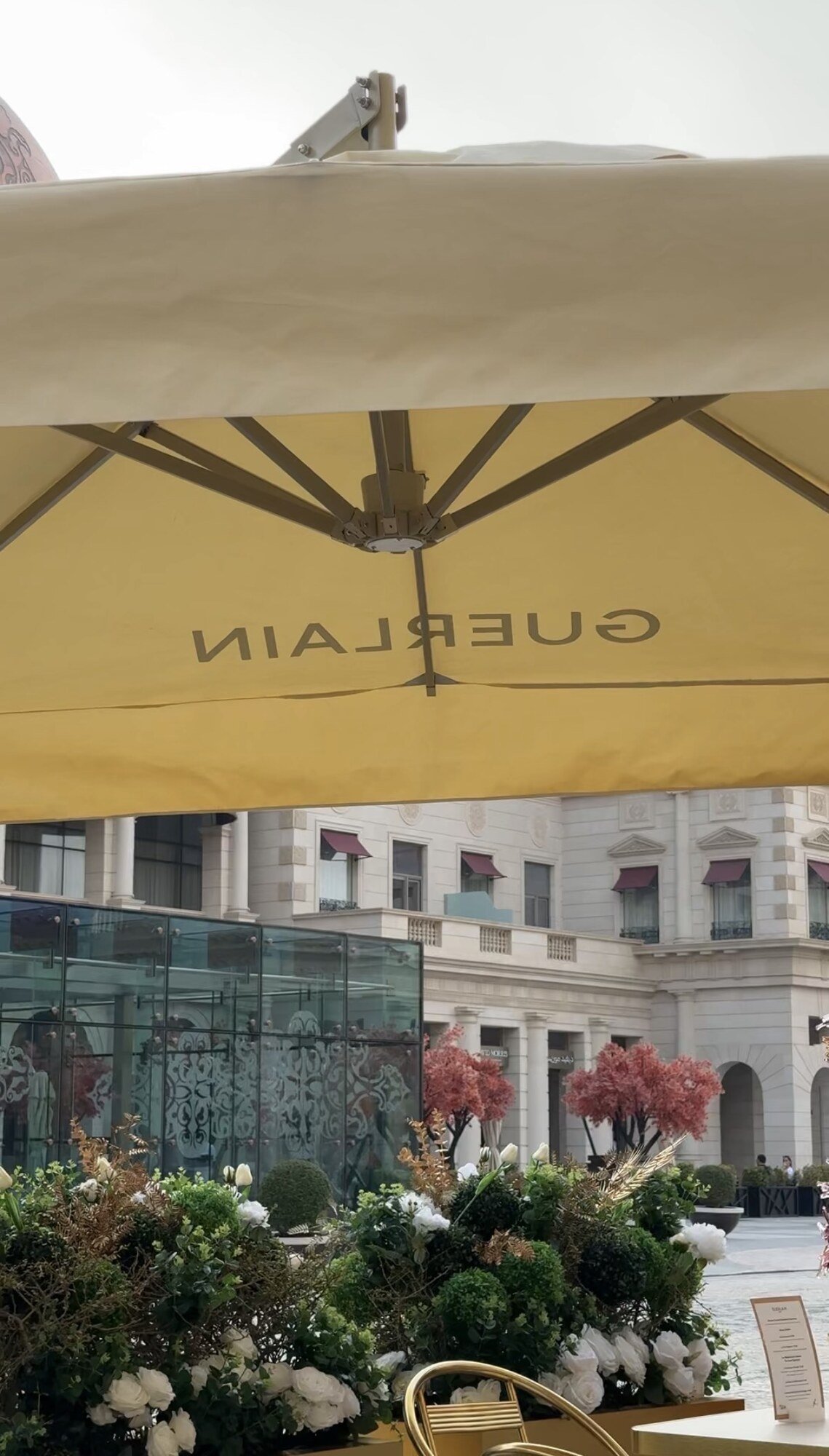
Almost every five-star lobby you have walked through was scented deliberately, and if you did not notice, it was working. The signature scent has become standard hospitality practice: diffused at the entrance, calibrated to the brand, consistent from Doha to London so that a returning guest is greeted by something they recognise before they recognise anything.
The reasoning is sound. Smell is the sense wired most directly to memory, the one that bypasses judgement and goes straight to recognition. A guest who cannot describe a hotel’s lobby can be returned to it, years later, by one breath of the right accord. Hotels that understand this are not perfuming a room. They are installing a memory and paying to maintain it.
The difference between the ones that work and the ones that read as air freshener is the same difference that separates all good hospitality from its imitation: restraint, and specificity. A scent that shouts is wallpaper for the nose, generic luxury, the olfactory equivalent of a stock photograph. The ones that work sit low, feel related to the building’s actual materials, and behave like something the space might plausibly smell of on its own: cedar where there is wood, orange blossom where there is a courtyard, something clean and mineral where there is stone. The best compliment a lobby scent can receive is not what perfume is that, but why does it feel so good in here.
There is also an honest limit worth naming. A signature scent can only hold a memory that the hotel has otherwise earned. Diffused over indifferent service, it becomes the smell of indifference, faithfully recalled. Like the photography, like the linen, like the light, it amplifies what is true. It is the quietest instrument a hotel owns, and the most personal, because it is the one impression every guest carries out through the same door.