What Candlelight Does
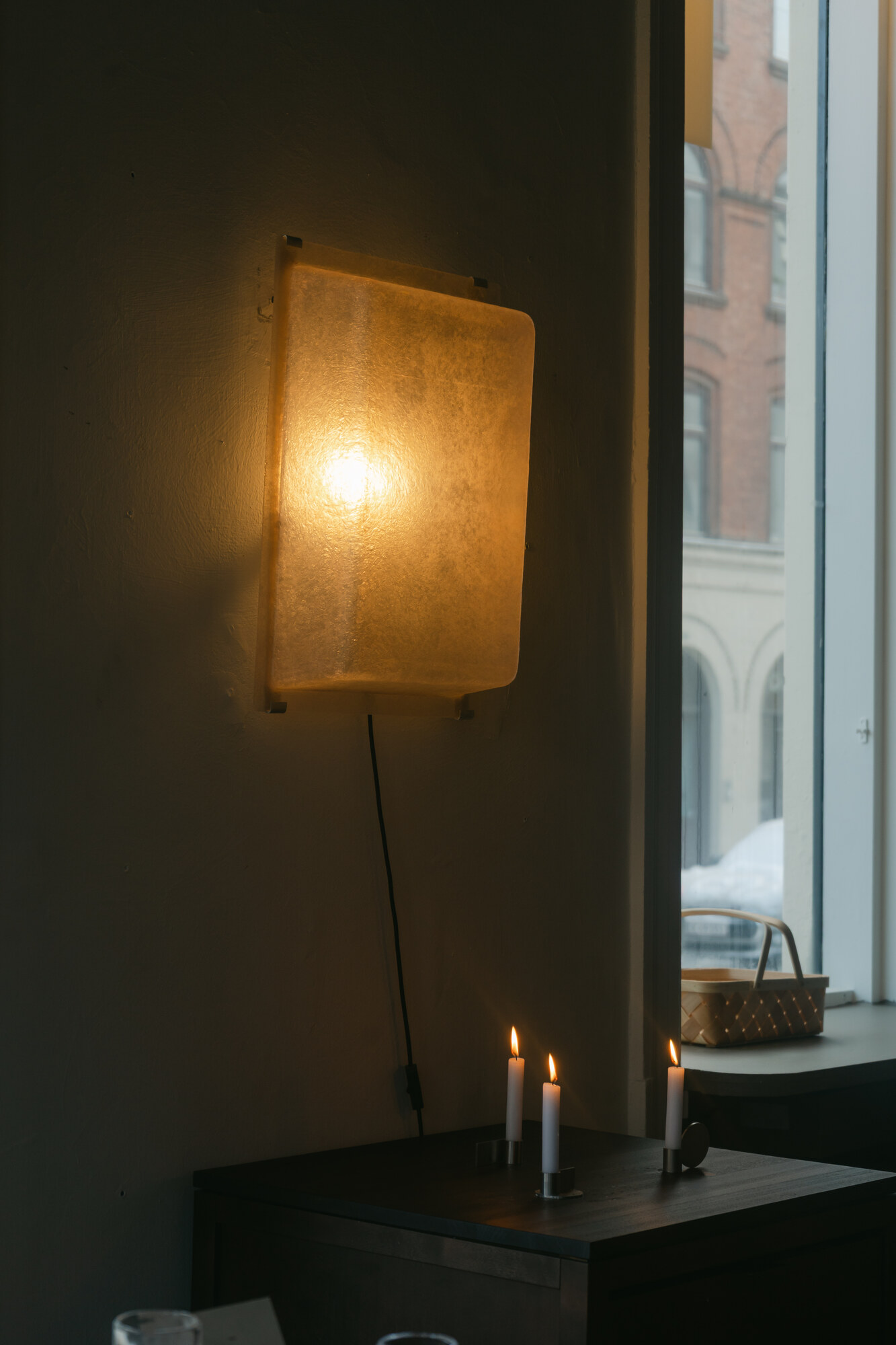
Candlelight is the one light source in hospitality that the designer cannot fully control. It flickers. It burns down. It will look different in an hour than it does now. This is precisely what it communicates.
The decision to use candles on a table is a decision to introduce a time-based element into the room: something consumed by the occasion rather than outlasting it. Every other light source in a restaurant or hotel room can be set and left. Candles require attention. Someone has to light them. Someone has to replace them. That labour is invisible to the guest but its result is not. The table lit by a person, for the duration of this particular sitting, carries a care for the specific occasion that a switch does not replicate.
What candlelight does to a face is well known but worth stating plainly. It removes the harshness of direct light and adds warmth. It creates a small circle of attention around whatever it is placed near, gently excluding what lies beyond. The guest becomes more aware of what is directly in front of them and less aware of what is behind them. This is not accidental. It is the consequence of choosing a light source that cannot project. Candlelight illuminates the immediate. It does not claim the room.
The difference between a room lit on a dimmer and a room lit by candles is not primarily a difference in brightness or colour temperature, though both differ. It is a difference in what the lighting is asking of the occasion. The dimmer says: we have considered how much light you should have. The candle says: this light is for this evening, and it will change as the evening does. That is a different kind of consideration, and a guest who has experienced both knows it without being able to name it.