The Window Is the Room's First Decision
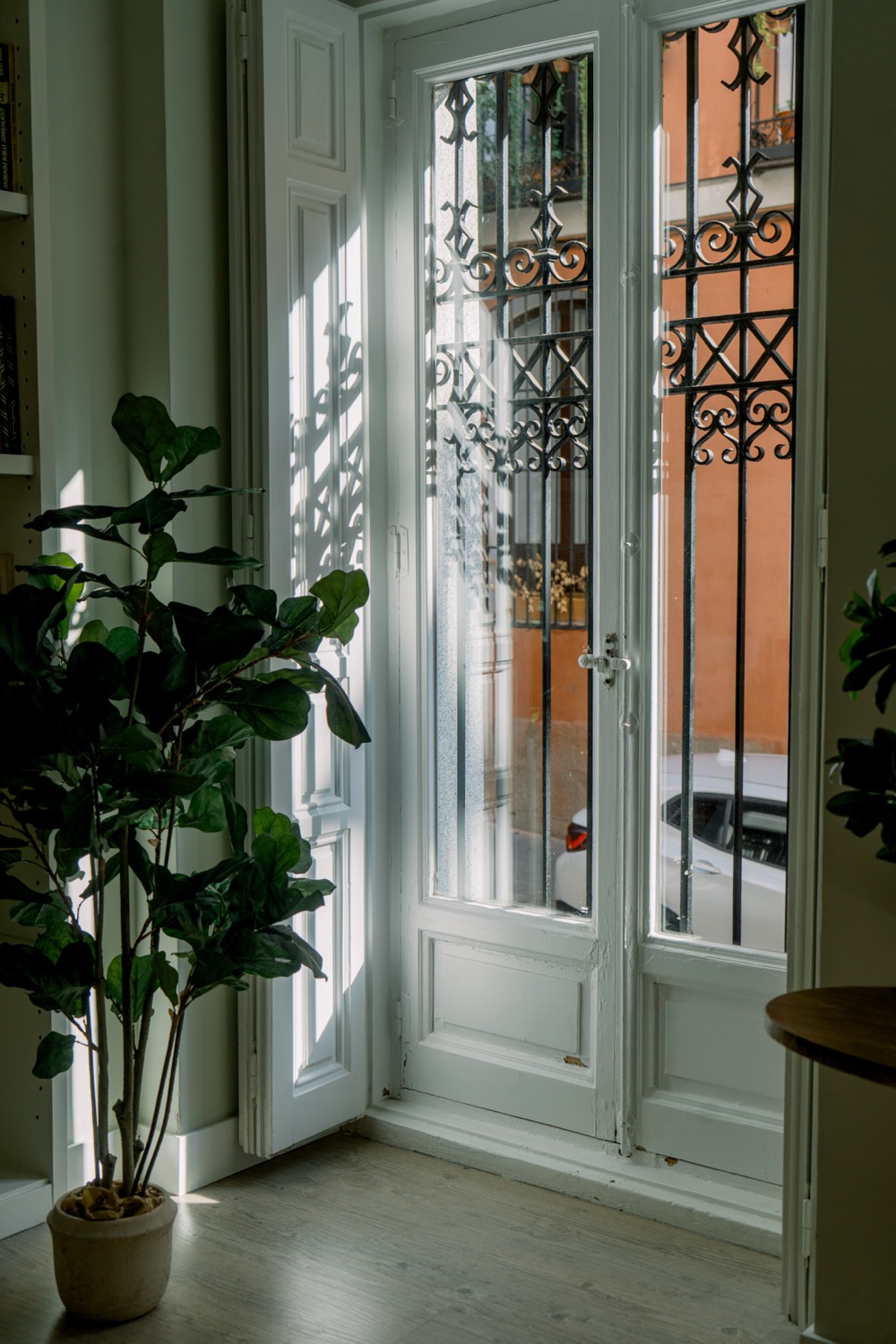
Before a single piece of furniture is placed, the window has already made the most important decision in the room. Its orientation, its size, its height from the floor, the depth of the wall it sits in: all of these are decided before the interior exists, and all of them determine what the interior will be.
A room facing north receives cool, even light that does not shift dramatically across the day. It is the light preferred by painters for the studio because it does not flatter and does not deceive. A room facing south receives strong directional light that moves across the walls as the day advances, creating shadows that change the room hour by hour. Neither is better. They produce different rooms. The decision about which is preferable is, in fact, a decision about what kind of experience the room should offer, and it is a decision that has already been made by the time anyone begins to think about furniture, finish, or atmosphere.
What the window looks out onto is the same kind of founding decision. The view is not decoration. It is the thing the guest looks at from the bed, from the bath, from the desk. A room with a view of a wall is a different room from one with a view of a garden or a street, not because one is better photographed but because the guest's experience of being in it differs completely. What lies beyond the aperture is part of the room.
The window is not a feature. It does not belong in the same category as the artwork or the cushion or the colour of the woodwork. It is the founding argument from which every other element follows. Treating it as one decision among many is the condition that produces rooms where everything has been chosen well and the whole still feels wrong: the furniture is right, the material is right, and the light that falls on both of them at 3pm is not what anyone imagined.