The Smell of Old Buildings
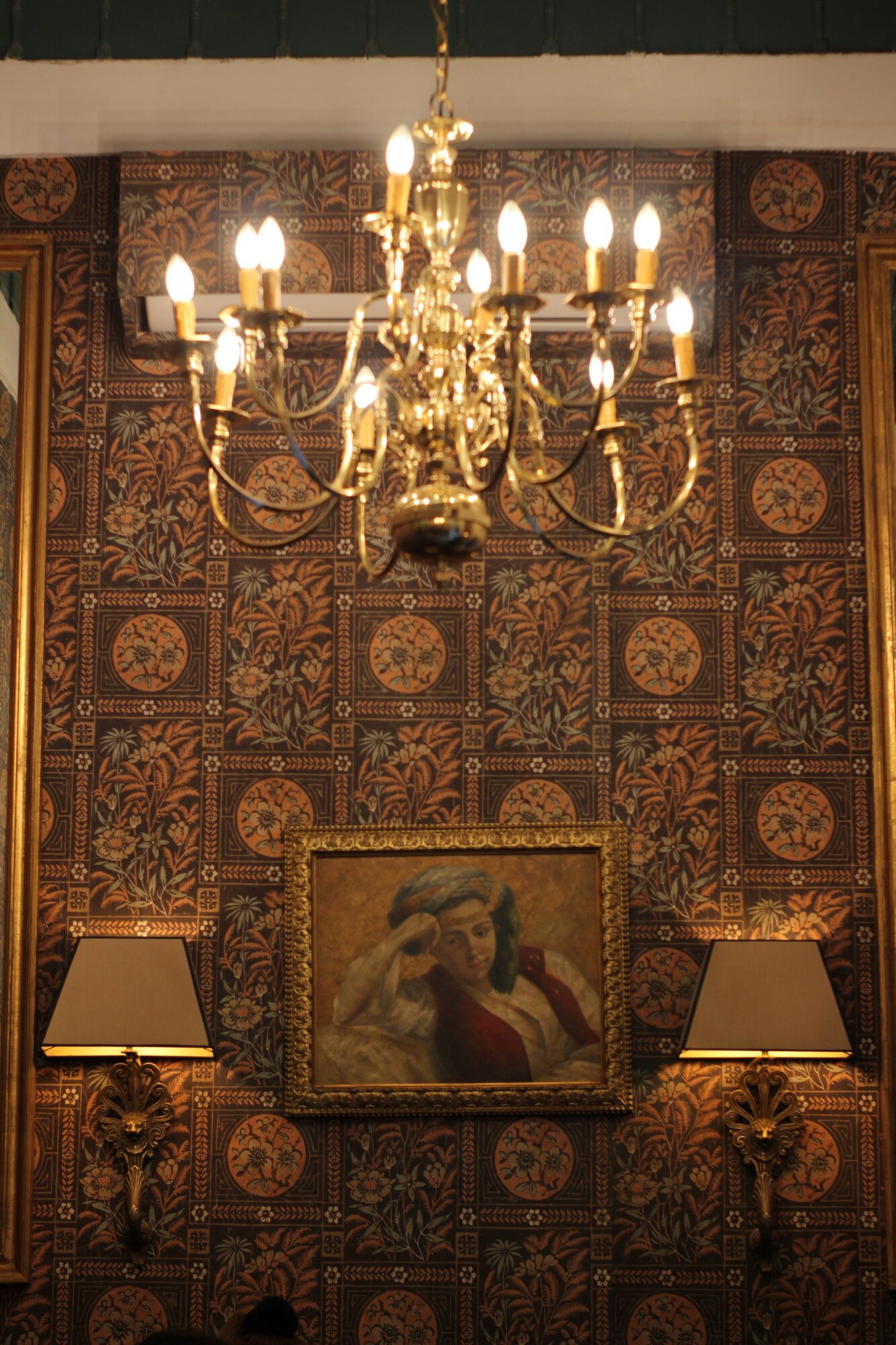
Walk into any building older than living memory and the first thing that reaches you is not visual. Cold stone has a smell. So does warm dust, and cedar that has been drying for a century, and beeswax worked into the same banister by generations of different hands. The eye takes in the architecture; the nose takes in the age, and the nose is faster.
What makes this remarkable is that nobody designed it. Every other quality of a considered interior was chosen by someone: the proportions, the materials, the light. The smell of an old building is the one element that arrives only through time, an accumulation of everything the building has been used for, layered too slowly for anyone to notice it happening. It cannot be specified, purchased, or installed. A new building can buy every material an old one contains and will still smell new, which is to say, of nothing in particular.
The palaces of Marrakech understand this as an asset. Dar El Bacha smells of cedar and orange blossom and a century of shade, and the coffee house that now operates inside it inherited that atmosphere the way it inherited the tilework: as something priceless it did not have to create and could not have. The same is true of the great old hotels. Guests who say a place feels authentic are usually reporting, without knowing it, something they smelled in the first four seconds.
For anyone responsible for an old building, the practical lesson is defensive: this is an asset that renovation can destroy in a week. Strip the wood, seal the stone, condition the air aggressively enough, and the building will look historic and smell like a showroom, and every visitor will register the contradiction without being able to name it. The smell of age is the one feature that cannot be restored once removed. It should be surveyed like the roof.