Why the Best Photographs Happen After the Shot List Ends
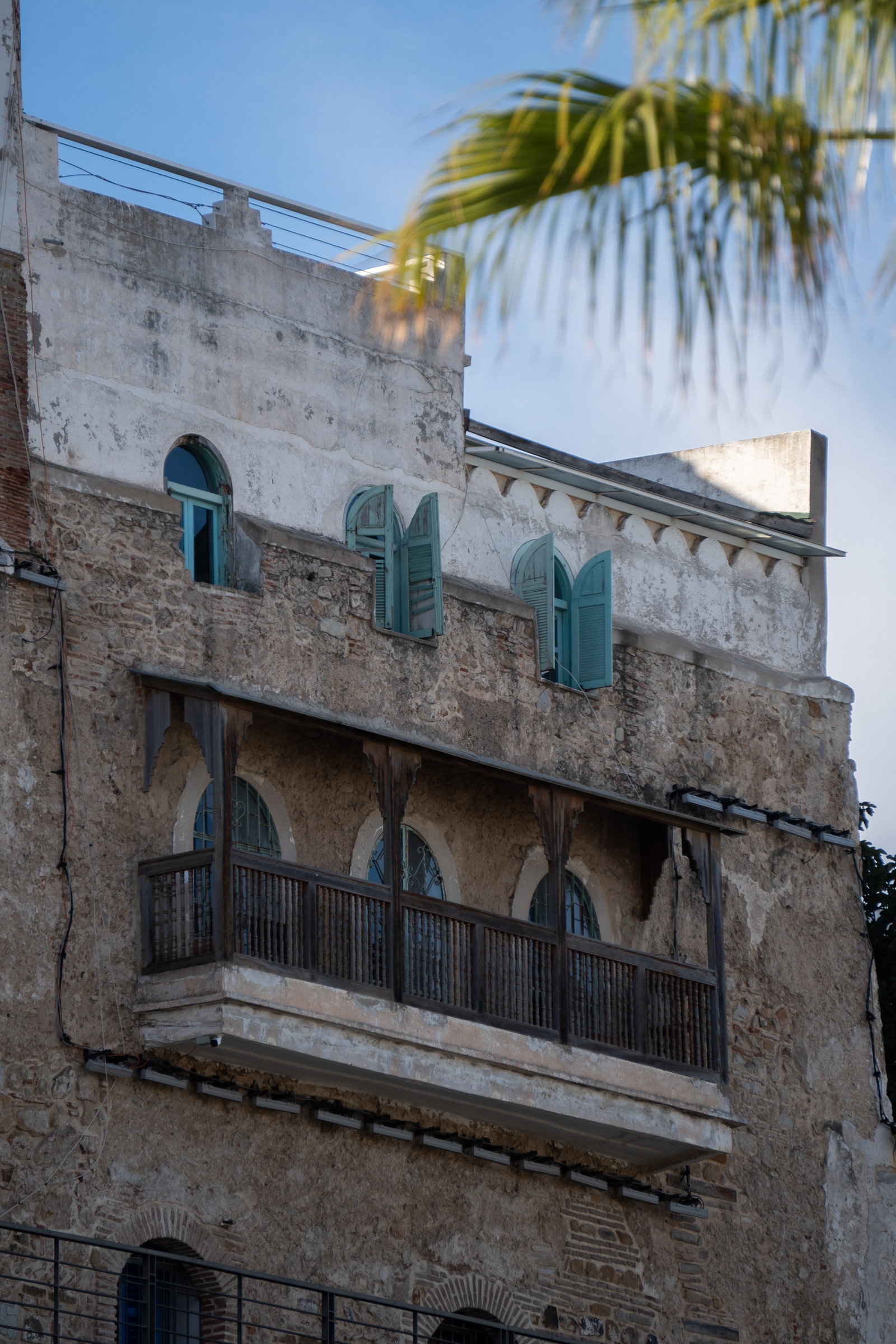
Every commissioned day has a moment when the shot list runs out. The room setups are done, the details are covered, the light has been chased around the building, and the schedule says the work is finished. It is usually at exactly this point that the photographs worth keeping begin.
The reason is simple and slightly uncomfortable: while the list is being worked through, everybody is performing. The space has been prepared, which means it has been made slightly unlike itself. Staff hold themselves the way people hold themselves near a camera. The photographer is executing rather than looking. The photographs that result are competent, correct, and interchangeable with the photographs of any comparable property, because everyone involved was doing the same professional performance.
Then the list ends, and the performance stops. The staff go back to work, which is more photogenic than any pose. The cushions drift out of alignment as actual guests use them. The photographer, no longer executing, starts noticing: the way the evening reaches one particular table, the glass someone left where the light could find it. The camera comes back up, but differently now, the way it works in the studio’s own studies, where there was never a list at all.
The practical lesson for anyone commissioning: do not schedule the day to end when the list does. The hour after the obligations are met is the cheapest hour to buy and consistently the one that produces the photograph that ends up mattering most. Every study in this archive was made entirely inside that hour. A commission that protects it gets both: the coverage it needs, and the record it did not know to ask for.